


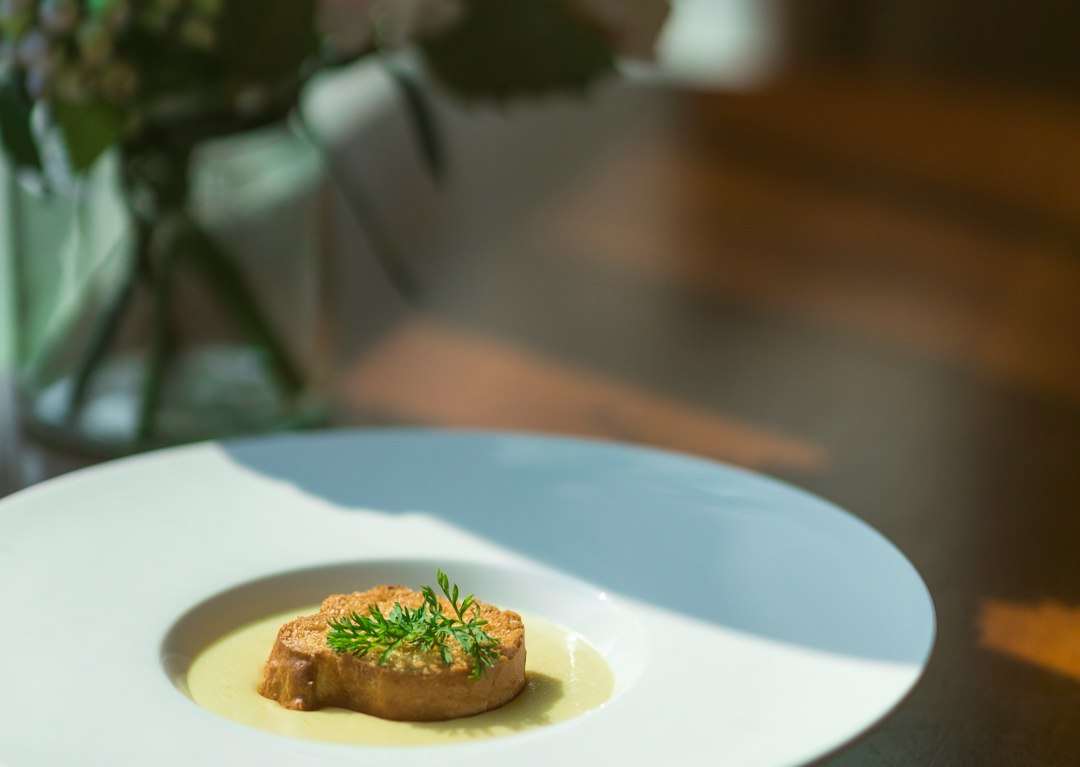
The High-Price Fallacy: Why Your Expensive Dinner Isn’t a Guarantee of Food Safety
You’ve made the reservation weeks in advance. It’s a special occasion, and you’ve chosen a restaurant with a stellar reputation, glowing reviews, and a price point to match. As you settle into the plush seating, surrounded by elegant decor and attended to by impeccable staff, a sense of security washes over you. Surely, an establishment this refined, this expensive, must be the gold standard for not just cuisine, but for cleanliness and safety as well. This common assumption—that a high price tag is a reliable proxy for quality and safety—is a powerful psychological shortcut. But when it comes to food safety, it’s a dangerous myth.
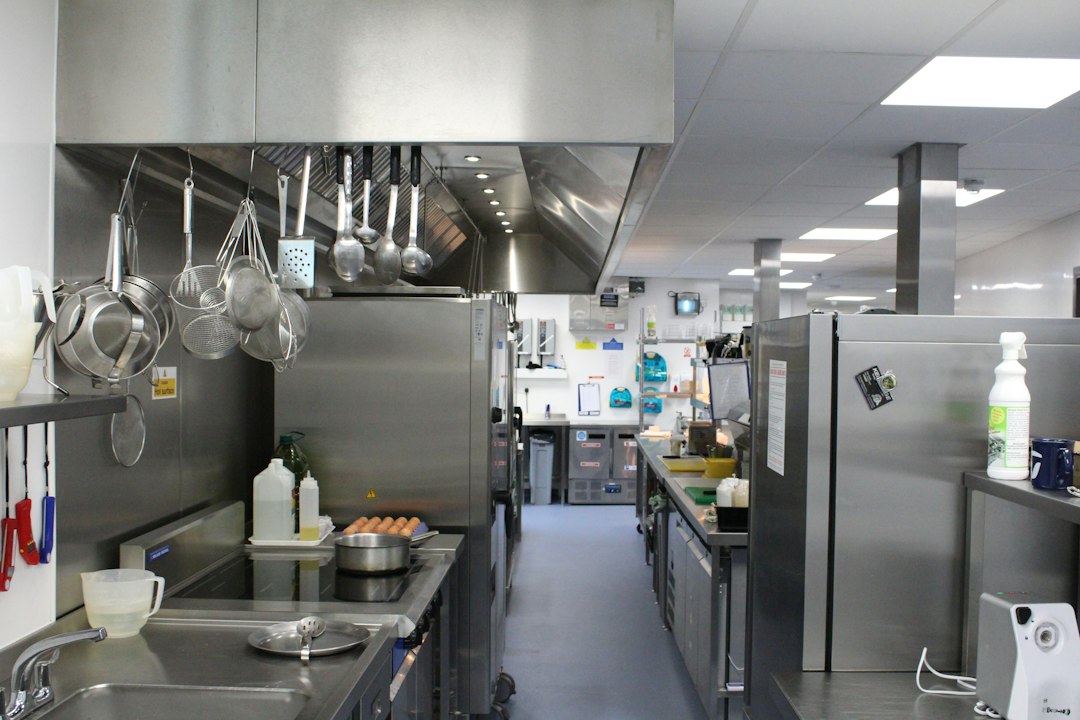
At foodsafety.reviews, we provide expert analysis and data-driven insights to help you look beyond the price tag and understand the real factors that contribute to a safe dining experience. This article will deconstruct a critical cognitive bias and empower you with the knowledge to dine out more safely.
The High-Price Fallacy: This is the psychological assumption that a more expensive product or service is inherently of higher quality and, in the context of dining, safer. It leads consumers to place undue trust in high-end restaurants while potentially overlooking critical food safety indicators.
Key Takeaways
- Price is Not a Proxy for Safety: A high price tag on a meal reflects factors like ingredient quality, chef reputation, and ambiance, not necessarily superior food safety standards.
- Universal Risks: Foodborne illness risks, such as cross-contamination and improper temperature control, exist in all kitchens, regardless of their price point.
- Informed Dining is Key: Consumers can make safer choices by looking for objective indicators like health inspection scores and observing restaurant cleanliness, rather than relying on the menu’s cost.
- Psychological Bias: We often subconsciously believe expensive means better and safer, a cognitive bias known as the “High-Price Fallacy.”
TL;DR
Paying for an expensive dinner does not guarantee better food safety. The high cost typically covers ambiance, ingredient sourcing, and chef skill, but critical safety practices can fail in any kitchen. The most reliable indicators of a restaurant’s safety are its public health inspection scores and observable cleanliness, not the price of its food.
Paying more for a meal creates a psychological sense of security, but price is not a reliable indicator of a restaurant’s food safety practices.
In nearly every aspect of consumer life, we are trained to associate cost with quality. A luxury car has better engineering, a high-end laptop has more powerful components, and a designer suit uses superior fabric. We apply this same mental shortcut, known as the price-quality heuristic, to dining. When a restaurant charges hundreds of dollars for a tasting menu, our brains instinctively conclude that every single aspect of the operation, including sanitation, must be top-tier. This cognitive bias is the foundation of the High-Price Fallacy.
Marketing and atmosphere work hard to reinforce this belief. The velvet rope at the entrance, the sommelier decanting a rare vintage, the meticulously folded linen napkins—all these elements create a powerful halo effect. This positive impression spills over from the dining room into our assumptions about the unseen kitchen, making us less likely to question the practices behind the scenes. This creates a false sense of security, causing diners to ignore potential red flags they might easily spot in a more casual, less expensive establishment. It’s a compelling narrative, but one that completely debunks the “you get what you pay for” myth when it comes to the objective science of food safety.
An expensive dinner bill reflects costs like premium ingredients and luxurious ambiance, none of which directly guarantee superior food safety protocols.
To understand why price is a flawed metric for safety, you must first understand what you are actually paying for at a high-end restaurant. The bill is an amalgamation of various costs, most of which have little to do with the rigorous, day-to-day enforcement of food safety protocols.
Premium and Exotic Ingredients
Sourcing A5 Wagyu beef from Japan, white truffles from Alba, or wild-caught sea urchin is an incredibly expensive endeavor. These costs are passed directly to the consumer. While the quality of these ingredients is undeniable from a culinary perspective, their high price offers no inherent protection against mishandling. That prized truffle is just as susceptible to contamination from a line cook who failed to wash their hands as a simple carrot is.
Chef’s Reputation and Skill
A significant portion of the bill pays for the name on the door. A world-renowned chef commands a high salary, and their creative genius, innovative techniques, and artistic plating are part of the product. However, a celebrity chef is often a brand manager, an artist, and a business owner whose primary focus is on flavor profiles and guest experience. The critical, moment-to-moment task of ensuring proper sanitation procedures are followed often falls to a kitchen manager or sous chef, whose diligence is not reflected in the price.
Ambiance and Service
The cost of fine china, custom-designed furniture, extravagant floral arrangements, and a high staff-to-guest ratio is substantial. This investment in front-of-house luxury is designed to create an unforgettable experience. It contributes heavily to the final bill but occurs entirely outside the kitchen. A beautiful dining room is not an indicator of a clean walk-in refrigerator.
Prime Real Estate
Many of the world’s most expensive restaurants are located in the hearts of major cities like New York, London, or Tokyo, where commercial rent is astronomical. This overhead is factored into the price of every single dish and beverage served. The restaurant’s location influences its price far more than its health code compliance.
Critical food safety failures, such as cross-contamination and improper temperature control, can occur in any kitchen, from a high-end restaurant to a local diner.
The pathogens that cause foodborne illness do not discriminate based on a restaurant’s price point or prestige. The fundamental principles of food safety are universal, and a failure in these basics can happen anywhere, at any time. Even the most acclaimed kitchens are not immune to human error or equipment failure.
The “Human Element”: Staff Training and Hygiene
The single most critical factor in food safety is the people preparing the food. A single employee working while sick or failing to adhere to proper handwashing protocols can trigger an outbreak. The restaurant industry, including high-end establishments, is known for high staff turnover. This constant churn can make consistent, rigorous training a challenge. Even a well-trained chef can have a momentary lapse during a busy service, and that is all it takes.
The “Danger Zone”: Temperature Control
According to the U.S. Food & Drug Administration (FDA), the “Danger Zone” for bacterial growth in food is the temperature range between 40°F and 140°F (4°C and 60°C). Keeping cold foods cold and hot foods hot is a matter of scientific principle, not budget. A refrigerator can malfunction in a Michelin-star kitchen just as easily as it can in a corner deli. If a line cook leaves a sauce sitting on the counter for too long during prep, its price becomes irrelevant—it has become a potential hazard.
Cross-Contamination
The transfer of harmful bacteria from one surface or food to another is a common cause of foodborne illness. Using the same cutting board for raw chicken and then for fresh vegetables without proper sanitation is a classic, critical error. In a high-pressure, fast-paced kitchen, the risk of such mistakes is always present, regardless of whether the final dish costs $15 or $150.
Supplier Issues
A restaurant is the final link in a long and complex supply chain. The safety of the food begins with the farm, the fishery, or the processing plant. While an upscale restaurant may source from exclusive, high-end suppliers, no supply chain is completely infallible. Produce can be contaminated in the field, seafood can be mishandled during transport, and even the most reputable supplier can unknowingly pass on a contaminated product.
A restaurant’s commitment to food safety is best judged by observable factors like public health inspection scores and staff hygiene, not the price of its entrees.
If you can’t rely on the menu’s price, how can you protect yourself? The solution is to shift your focus from subjective signals like cost and ambiance to objective, verifiable indicators of a kitchen’s practices. Becoming an informed diner empowers you to make safer choices for yourself and your family.
How to Check Health Department Scores
Health inspection reports are public records and one of the most powerful tools available to consumers. These inspections are conducted by trained professionals who evaluate restaurants based on a standardized set of food safety codes. Many local health departments post these scores online. When you look up a report, don’t just glance at the letter grade or number score. Dig into the details. Look for the specific violations noted. A critical violation for improper temperature control is a much more serious red flag than a minor infraction like a cracked floor tile.
What to Look For In the Restaurant
You can learn a lot by simply being observant. Use this mental checklist when you dine out:
- Overall Cleanliness: Are the floors, tables, and silverware clean? Pay a visit to the restroom—its state of cleanliness can often be a reflection of the kitchen’s standards.
- Staff Appearance: Do the servers and other visible staff have clean uniforms and hair properly restrained?
- Food Handling: Observe the staff. Are servers handling money and then touching the rim of your glass or the food on your plate without washing their hands? Is the bartender using a scoop for the ice, or their hands?
- Buffet and Salad Bar Maintenance: If applicable, are the hot foods steaming and the cold foods visibly chilled on ice? Are sneeze guards in place and clean?
Trust Your Senses
Finally, never discount your own intuition. If your food smells off, tastes strange, or doesn’t seem properly cooked (e.g., undercooked chicken), you have every right to send it back and speak to a manager. The guarantee of a good meal must always include the guarantee that it is safe to eat. Don’t let the restaurant’s reputation or price intimidate you into silence.
At foodsafety.reviews, we analyze public health data and consumer reports to provide the objective food safety insights that a menu’s price tag cannot.
Navigating the world of public health data can be confusing and time-consuming. This is where the service provided by foodsafety.reviews becomes an indispensable tool for the modern diner. We cut through the noise of marketing, ambiance, and price to deliver what truly matters: clear, objective, and easy-to-understand food safety information. Our role in the industry is to serve as a trusted, unbiased resource that translates complex inspection reports into actionable insights.
We aggregate and interpret this crucial data, making it accessible to everyone. Our platform organizes this information across thousands of posts and pages, sorted into relevant categories and curated by our expert authors, to give you a clear and comprehensive picture. foodsafety.reviews empowers you to make data-driven decisions about where you eat, protecting both your health and your wallet from the High-Price Fallacy.
Dine Smarter, Not Just More Expensively
The belief that a more expensive dinner is inherently a safer one is a comforting but ultimately baseless myth. The factors that drive up the cost of a meal—premium ingredients, a celebrity chef, luxurious decor, and prime real estate—have no direct bearing on the stringent, moment-to-moment protocols required to prevent foodborne illness. The risks of cross-contamination, improper temperature control, and human error are universal threats that exist in every kitchen.
Your health is the most valuable thing on any menu. The true indicators of a restaurant’s commitment to safety are not found on the bill, but in its public health inspection records and in the observable cleanliness of its operations and staff. By moving past the High-Price Fallacy and embracing a more informed, data-driven approach, you can enjoy any dinner, from a cheap and cheerful cafe to an expensive, celebratory feast, with greater confidence and peace of mind.





Comments are closed.